
Decorating a home often feels like an overwhelming task. Between endless Pinterest boards, conflicting design advice, and the pressure to make every room “Instagram-worthy,” it’s easy to lose sight of what decorating is actually for: creating a space that feels like you.
That’s where Decoradyard comes in. Rather than pushing trends for the sake of trends, Decoradyard focuses on practical, achievable strategies for decorating both indoor and outdoor spaces. Whether you’re furnishing a first apartment, refreshing a living room, or finally tackling that neglected backyard, this guide walks through the core principles behind smart, intentional home decoration.
By the end of this post, you’ll understand what Decoradyard stands for, how to apply its decorating philosophy to your own home, and which budget-conscious ideas can make the biggest visual impact without draining your wallet.
Home Decoration Is Not Just About Adornment
A common misconception is that decorating means adding more — more furniture, more accessories, more color. But Decoradyard’s approach treats decoration as a functional discipline, not just a visual one.
Good decorating balances three things: comfort, function, and personality. A beautifully styled room that’s uncomfortable to sit in has failed at its job. Likewise, a highly functional room that feels sterile won’t make anyone want to spend time in it. Decoradyard’s philosophy centers on finding that balance — treating each room as a space to be lived in, not just looked at.
This mindset shift matters because it changes how you approach every decision, from furniture layout to color choice. Instead of asking “does this look good?” the better question becomes “does this work for how I actually live?”
Tips and Strategies for Home Decorating
How Can You Decorate on a Limited Budget?
Choose a few statement pieces instead of filling every surface with decor. A single well-placed item — a mirror, a textured throw, a piece of art — can define a room far better than a dozen scattered accessories. Secondhand stores, marketplace listings, and seasonal sales are reliable sources for quality pieces at a fraction of retail price.
What Makes Room Decoration “Done Right”?
Room decoration done right starts with layout. Before buying anything new, assess how people actually move through the space. Furniture should support natural traffic flow, not obstruct it. Once the layout works, layering in texture, color, and accessories becomes far easier because the foundation is already functional.
How Do You Turn Empty Spaces into Attractions?
Every home has an underused corner or awkward nook. Rather than ignoring these spaces, use them intentionally: a reading chair by a window, a small plant display, or a gallery wall can turn dead space into a visual focal point.
How Can You Create a Peaceful Sitting Space?
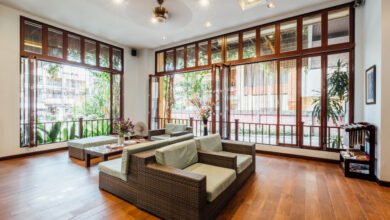
A peaceful sitting area combines comfortable seating, soft textiles, and minimal visual clutter. Choose one or two calming colors, add a textured throw or cushions, and keep surrounding surfaces relatively clear. The goal is a space that invites you to slow down, not one that competes for attention.
How Should You Use Decorative Accessories?
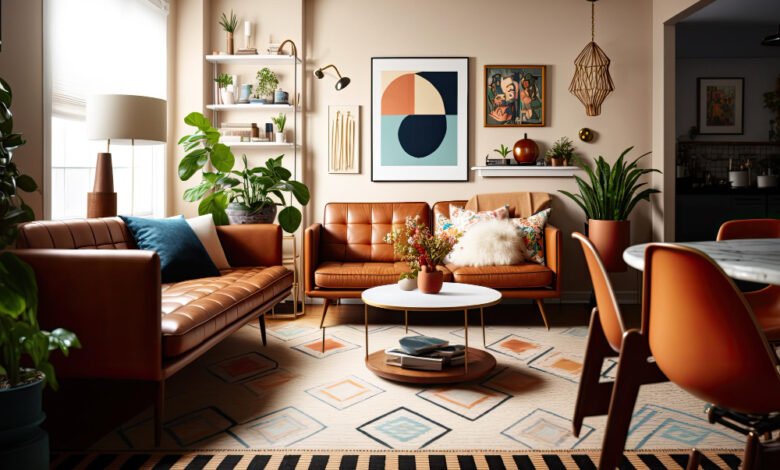
Accessories like throw pillows, vases, and wall art add personality, but they work best in moderation. Group accessories in odd numbers (three tends to look more natural than two or four) and vary their heights and textures for visual interest.
How Do You Avoid Overdoing It with Decoration?
More isn’t always better. A room crowded with accessories, patterns, and colors can feel chaotic rather than curated. A useful rule: for every new item added to a space, consider removing one. This keeps rooms feeling intentional rather than overstuffed.
How Can You Shape Your Home Around Your Personality?
Ultimately, the most successful spaces reflect the people who live in them. Incorporate meaningful items — travel souvenirs, family photos, favorite colors — even if they don’t perfectly match a design “rule.” Personality is what makes a house feel like a home.
Budget-Conscious Decoration Ideas
For those decorating on a tighter budget, a few strategies go a long way:
- Repaint instead of replace. A fresh coat of paint on furniture or walls can dramatically change a room’s feel for a fraction of the cost of new pieces.
- Shop secondhand first. Thrift stores, estate sales, and online marketplaces often have quality furniture and decor at a fraction of retail price.
- Rearrange before you buy. Sometimes a different furniture layout is all a room needs — no new purchases required.
- DIY accessories. Simple projects like framed prints, painted vases, or reupholstered cushions add a personal touch at low cost.
- Invest in a few key pieces. Rather than spreading a budget thin across many items, save for one or two higher-quality pieces that anchor the room.
Making Your Space Truly Yours
Home decorating, as Decoradyard frames it, isn’t about chasing trends or filling every surface with decor. It’s about creating spaces that function well, feel comfortable, and reflect the people who live in them — whether that’s a cozy reading corner, a backyard built for entertaining, or a living room styled around a consistent color theme.
Decorating doesn’t need to happen all at once, and some of the best homes are the ones that evolve gradually, one intentional choice at a time.
FAQs
What is Decoradyard?
Decoradyard is a concept and resource focused on practical home and outdoor decorating strategies, covering everything from lighting and furniture to color themes and budget-friendly design tips.
How much does it cost to decorate a home on a budget?
Costs vary widely, but budget-conscious decorating can start with under $100 by focusing on paint, secondhand furniture, and DIY accessories rather than full furniture replacements.
How long does it typically take to decorate a room?
A single room can often be refreshed over a weekend, though full redecorating projects — including furniture sourcing and layout changes — may take several weeks.
What are the risks of overdecorating a space?
Overdecorating can make a room feel cluttered and visually overwhelming, reducing both comfort and the impact of individual decor pieces.
Who is home decorating guidance like this best suited for?
These strategies work well for renters, first-time homeowners, and anyone looking to refresh their space without hiring a professional designer.
Read Also: DrHomey Handy Tips: Make Your Home Feel More Like You