

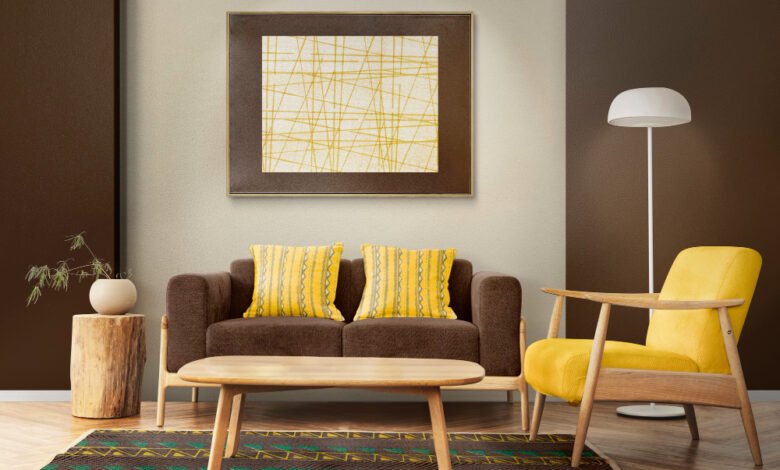
Walk into most homes and you’ll notice the same furniture catalog repeated with slight variations. A neutral sofa here, a generic abstract print there, a coffee table that could belong to anyone. It’s comfortable, but it’s not you. The good news is that turning a house into a home that genuinely reflects who you are doesn’t require a full renovation or a design degree. It requires a handful of deliberate decisions, repeated room by room.
This guide from DrHomey Handy Tips breaks down the practical, budget-friendly ways to infuse your personality into your living space — from the colors on your walls to the objects on your shelves. Whether you’re furnishing your first apartment or refreshing a home you’ve lived in for years, these tips will help you create rooms that feel distinctly yours.
Why does personalizing your home actually matter?
A home that reflects your tastes and habits does more than look good in photos. Studies in environmental psychology consistently link personalized, meaningful spaces to lower stress and a stronger sense of control over one’s surroundings. When your environment mirrors your identity — your colors, your collected objects, your comfort preferences — it becomes a place of genuine restoration rather than just a container for your belongings.
Personalization also makes a home more functional. A space designed around how you actually move through your day, rather than how a showroom assumes you should, reduces daily friction. Choose comfort and habit over trend, and the home works harder for you.
How do you choose a color palette that feels like you?
Color sets the emotional tone of a room before anything else is even arranged. Start by identifying two or three colors that already show up in your wardrobe, your favorite artwork, or the places you love to visit. These tend to be colors you’re naturally drawn to, which makes them a safer long-term bet than whatever is trending this season.
A few practical starting points:
- Anchor with a neutral base. Walls, large furniture, and flooring in soft neutrals (warm whites, greiges, muted taupes) give you flexibility to change accent colors over time without a full repaint.
- Commit to one bold accent. A single saturated color — in a rug, an accent wall, or a set of cushions — adds personality without overwhelming the space.
- Test before you commit. Paint large swatches directly on the wall and observe them across different times of day before settling on a final shade.
What’s the best way to display meaningful objects without creating clutter?
Family photos, travel souvenirs, and sentimental trinkets are what separate a personal home from a staged one. The challenge is displaying them with intention rather than letting them accumulate into visual noise.
Group objects in odd numbers (three or five) on shelves or console tables, varying height and texture to create visual interest. Rotate seasonal or sentimental items every few months instead of displaying everything at once — this keeps the space feeling curated and gives you a reason to revisit items you love. For wall displays, a gallery wall built around a consistent frame color or a shared theme (travel photography, family portraits, art prints) reads as intentional, while a mismatched scattering can feel chaotic.
How can textures and layers make a room feel warmer?
Rooms that feel flat often lack variation in texture, not color. Layering different materials — a wool throw over a leather chair, a jute rug under a glass coffee table, linen curtains against a painted brick wall — adds depth that photographs and generic furniture sets can’t replicate.
A simple way to approach this room by room:
- Start with the largest surface. Choose a rug or major upholstery texture first, since it anchors everything else.
- Add a contrasting layer. If the base is smooth (leather, glass), introduce something tactile (wool, linen, woven baskets).
- Finish with small details. Throw pillows, ceramics, and candle holders in varied finishes complete the layered look without requiring a large budget.
Should furniture be arranged around aesthetics or how you actually live?
Furniture arrangement is where function and personality meet. A living room arranged purely for visual symmetry often ignores how people actually use the space — where they read, where they put their coffee, how they move between rooms.
Before rearranging, spend a few days observing your own habits. Do you always end up reading in one particular chair? Does the dining table double as a workspace? Let those patterns guide the layout rather than a pre-set floor plan. Floating furniture away from walls, when space allows, often creates more intimate, conversation-friendly groupings than pushing everything to the perimeter.
What’s an affordable way to update a room without a full renovation?
Not every personalization project requires new furniture or major spending. Small, affordable updates can shift a room’s entire feel:
- Swap out hardware on cabinets and drawers for a quick, low-cost refresh.
- Introduce a statement lighting fixture — pendant lights and table lamps affect mood more than most people expect.
- Reupholster or recover a single piece of furniture instead of replacing it.
- Add plants in varied sizes to bring in natural texture and color without a large investment.
These changes tend to make the biggest visual impact relative to their cost, which makes them a good starting point for anyone personalizing on a budget.
Make your next move toward a home that feels like you
Turning a house into a space that reflects your personality doesn’t happen in a weekend, and it doesn’t need to. Start with one room, apply a couple of these DrHomey Handy Tips, and build from there. Choose a color palette you’re drawn to, layer in textures that add warmth, and give your meaningful objects room to breathe instead of competing for shelf space. Over time, these small, intentional choices add up to a home that feels unmistakably yours.
FAQs about DrHomey Handy Tips
How much does it cost to personalize a home on a budget?
Many personalization updates — new hardware, a single accent wall, rearranged furniture, or a curated shelf display — can be done for under $200. The cost scales with how much new furniture or custom work you add.
How long does it take to make a home feel more personal?
A single room can be refreshed in a weekend using paint, textiles, and rearranged decor. A full-home personalization project, done gradually room by room, typically takes a few months.
What’s the biggest mistake people make when personalizing their home?
Following trends instead of personal preference is the most common misstep. Trend-driven choices tend to feel dated within a few years, while colors and objects tied to genuine personal taste stay relevant much longer.
Can renters personalize their space without violating lease terms?
Yes. Removable wallpaper, furniture arrangement, textiles, plants, and gallery walls using adhesive hooks are all renter-friendly ways to personalize a space without making permanent changes.
Do I need to hire a designer to make my home feel personal?
No. Personalization is rooted in your own preferences and habits, which makes it one of the few home projects best guided by your own judgment rather than outside expertise.
Read also: The Rise of Decobry: A New Era in Home Design Innovation



One Comment