
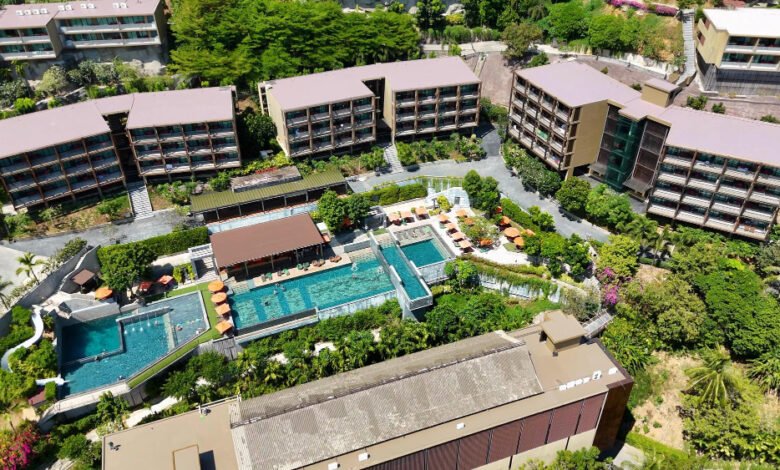
Resort-style pools, gyms and clubhouses have become a feature of some newer masterplanned communities. For many buyers they are a real drawcard, offering facilities that would be expensive or impractical to build in a private backyard.
Shared amenities raise practical questions, though. Who pays to run them, who can use them and what happens as the community grows are all worth understanding before you buy.
This guide explains how to assess resident facilities in a new community, with examples from Brisbane’s north-west, so you can judge their real value to your household.
Understand What Resident Facilities Offer
Resident facilities are shared amenities reserved for people who live in a particular community. They typically include pools, gyms, function spaces, outdoor kitchens and play areas, and they sit apart from public parks open to everyone.
Their appeal is easy to see. A shared pool or gym can replace a backyard pool or a commercial membership, freeing up space on your own lot and money in your weekly budget. They also create natural meeting points, which helps neighbours get to know each other in a new area.
The value depends on how often you will actually use them. A family with young children may use a pool every weekend, while a busy professional might rarely visit. Be realistic about your habits before paying a premium for amenity.
It also helps to compare like for like. Add up what you currently spend on a gym membership, swim lessons or venue hire for birthday parties, then compare that with any levies or price premium attached to the community. That gives you a practical sense of whether the facilities save money or simply add lifestyle value.
Ask Who Pays and How Much
The cost of running shared facilities has to be covered somehow, so ask about it early. Some communities fund facilities through the developer for an initial period, while others use a community association or body corporate with ongoing levies.
Ask the sales team for the current funding model, any levies or fees, and what happens when the developer’s involvement ends. Request the relevant documents and have your conveyancer review them, since obligations can carry over to future owners.
Maintenance matters as much as the initial build. Pools, gyms and landscaped areas need regular cleaning, servicing and eventual replacement. A clear plan for those costs is a good sign that the facilities will stay in good condition.
Before you sign, ask the sales team or your conveyancer these questions:
- Are there levies now, and could they start or increase later?
- Who will own and manage the facilities long term?
- Is there a sinking fund or plan for major repairs?
- Can rules or access change once the developer hands over?
Check Access, Rules and Capacity
Access arrangements shape how useful a facility really is. Find out who can use it, when it is open and whether guests are allowed.
Ask about booking systems for function rooms or barbecue areas, and whether there are limits on guests or hours. Then think about capacity. A pool that feels spacious with a few hundred residents may feel busy once the community reaches full size, so ask what further facilities are planned for later stages.
Visiting at a busy time helps. A weekend afternoon in summer will show you how a facility copes with demand far better than a quiet weekday tour.
Look at the Wider Location Too
Resident amenities add to a location’s appeal but cannot replace it. Schools, transport, shops and access to the city still decide how well a community works day to day.
In Keperra, for example, residents are close to train stations at Ferny Grove and Mitchelton, the Great Western Super Centre for everyday shopping and the bushland of the D’Aguilar Range for weekend walks. Researching the suburb at this level tells you whether shared facilities are a bonus on top of a strong location or compensation for a weaker one.
Check flood and other overlays through Brisbane City Council’s FloodWise Property Report, and use the Department of Education’s catchment maps to confirm local state schools.
Talk to current residents if you can. They can tell you how often they use the facilities, whether they feel well maintained and how easy bookings really are, which is information no brochure provides.
See How Facilities Fit the Community’s Design
The best shared amenities are part of a wider plan rather than a standalone selling point. Look at how facilities connect to homes, parks, and paths, and how easily residents can reach them on foot.
Elevated and infill sites often make shared amenity a central part of the design. At the quarry in Brisbane’s north-west, a former extraction site is being turned into a hilltop neighborhood where a resident club with pools and recreation spaces sits alongside generous green space. When reviewing a community like this, check walking distances from different stages to the club, since convenience can vary across the estate.
Pay attention to how the facilities are used day to day. Early-morning lap swimmers, after-school families, and weekend gatherings all place different demands on the same space, and a well-designed club caters for each without one group crowding out another.
Ask about future stages too. If additional facilities are promised, find out whether they are committed, when they are expected, and how they will be funded.
Final Thoughts on Shared Amenities
Resident facilities can add real value, but only if you will use them and the costs are clear. Understand the funding model, check access rules and capacity, and make sure the wider location stands on its own merits.
Visit at busy times, read the documents carefully, and talk to current residents. That gives you a clear picture of whether shared amenities will improve your daily life or simply look good in the brochure.