


Who doesn’t love being in the comfort of their own space? In the last few years, there’s been a rise in people choosing to stay in and enjoy the comforts of staying in. There’s no shortage of reasons to hang out at home, but finding gifts for the people in your life who don’t stray far from their den can feel impossible.
People often mistake homebodies for being boring or having no interests. That couldn’t be further from the truth. Homebodies are a unique group of people who simply prefer to partake in niches that can be explored from the safety and comfort of their own four walls. Often, their homes are their sacred spaces where self-care takes place.
There are tons of ways to treat our home-bound friends and family. Bath items, drink accessories, and candles are excellent options. Homebodies always appreciate adding to the comfort of their favorite place, and these gifts are sure to stand out among others. Let’s take a look at the five best gifts for homebodies.
Candles
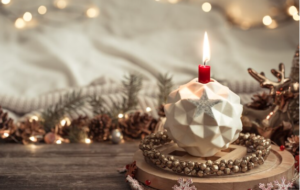
There’s nothing better to a homebody than curling up and lighting their favorite candle. They take great comfort in scents that remind them of their favorite things or places. Memories candles are mindfully crafted to create a sense of nostalgia, and they are perfect gifts for people who want a taste of the past in the comfort of their home. Plus, our sense of smell is directly related to the parts of the brain that regulate emotions.
That being said, it’s no surprise that aromatherapy is so popular. Certain scents like jasmine and lavender can elicit feelings of calmness and relaxation. Citrus, eucalyptus, and mint create an energizing feeling and can make us feel more focused. Some scents are even said to boost our moods, such as pine and rosemary.
Changing up the way our environment smells is a super-easy way to change the feel of our space as well as potentially positively affect our mood. Candles are one of the best and easiest gifts for homebodies.
Bath Accessories
Self-care is a crucial part of some people’s routines, especially those who like to spend time at home. Soaking in a hot bath after a long day is one of the best feelings in the world, but it isn’t without flaws. Bath pillows are extremely useful comfort items that some people don’t even know exist. Let’s face it. Bathtubs aren’t exactly comfortable, usually, and rolling up a towel to put behind your head often fails miserably.
Bath pillows are the perfect solution to an uncomfortable and often forgotten problem. Strong suction cups adhere the pillow to the side of the tub, preventing any slippage. The fast-drying and washable covers are super convenient too. Bath caddy trays are also an inexpensive and functional gift that anyone can use. Being able to relax in a warm bath sipping on your favorite beverage or reading your favorite book is a luxury unlike any other. The homebody in your life will thank you.
Reed Diffusers
Reed diffusers are amazing alternatives to candles. Some apartment complexes don’t allow candles, and sometimes you don’t have a great place to put an open flame. The good news is that reed diffusers are perfect for your friends and family members who aren’t able to use candles but still want to freshen up their living space.
Reed diffusers work by placing fragrance or essential oil in a vessel (often a narrow-necked vase or bottle) with reeds placed inside. The reeds extend past the mouth of the container and up into the air. Reeds naturally have capillaries that stretch from end to end that soak up the oil like a straw. Once the scent is sucked up from the bottom and reaches the exposed portion of the reed, it disperses the scent into the room. Reed diffusers are extremely versatile and can be placed nearly anywhere there is space for them. They even fit in with any decor style.
Drink Accessories
Every homebody has their preferred drink. Some enjoy their morning coffee, some indulge in their nighttime tea routine and some even take to learning how to make cocktails. Chances are, you know what your homebody’s drink of choice is.
Coffee lovers can never have enough gadgets to play with in the kitchen. Giving them something unique in style or function will surely excite them. If they’re adventurous, they might even enjoy trying a new coffee. There are so many accessories for tea drinkers as well. There are hundreds of adorable styles of loose leaf tea infusers and tea bag holders. You can find one to fit the needs and style of any tea drinker you know.
Cocktail enthusiasts know that having the right ingredients and tools is important to the mixing of a good drink. There are tons of unique bar spoons and cocktail shakers available to fit their needs. Finding a chic bar tray and glasses will make the absolute perfect gift basket for the cocktail lover in your life.
Weighted Blanket
Weighted blankets are like a huge comfy hug. There are two types of weighted blankets; woven and duvet. Woven weighted blankets are knitted with extremely dense yarn while duvet-style blankets have plastic or glass beads sewn inside. These blankets can be anywhere from 5 to 30 pounds and are inspired by a therapeutic technique called deep pressure stimulation (DPS).
DPS uses a controlled amount of pressure to induce feelings of calmness and stress relief. Weighted blankets are super comfy and can reduce stress and anxiety in this same way. The weight of a weighted blanket isn’t overwhelming or smothering, but comforting.
Conclusion
There are tons of ways to give the homebodies in your life something meaningful and practical. Adding to the pleasures of their sacred space will surely have them excited. From their favorite scents to their comfort drink, the items on this list will surely make your friends and family who stick close to home feel cared for and loved.