
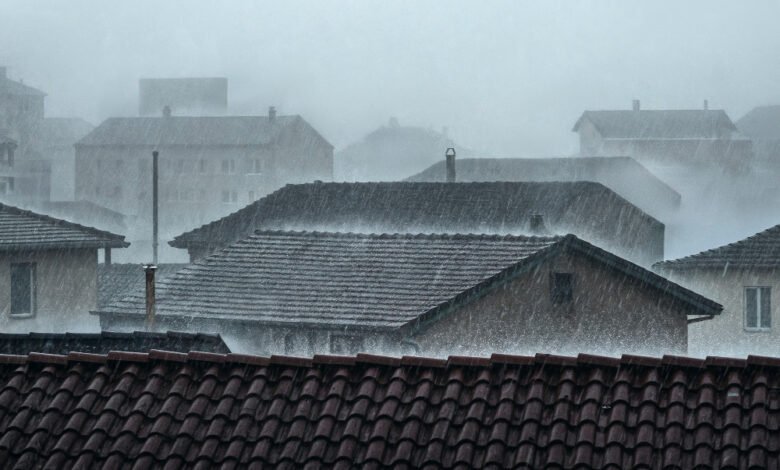
Your roof is your home’s first line of defence against the weather. It protects your family, belongings, and the structure of your property from rain, wind, and changing temperatures. While a well maintained roof is built to withstand the elements, continuous exposure to heavy rain can gradually cause damage that may go unnoticed until it becomes a costly problem.
Many homeowners only think about their roof when they notice a leak inside the house. Unfortunately, by the time water starts dripping from the ceiling, the damage may already be extensive. Understanding how rain affects your roof and recognising the early warning signs can help you prevent expensive repairs and extend the lifespan of your roofing system.
Here are the most common ways rain can damage your roof and the signs every homeowner should watch for.
Why Rain Can Be Harmful to Your Roof
Rain may seem harmless, but over time it can expose weaknesses in your roofing system. Even small cracks, loose tiles, or damaged flashing can allow water to enter areas where it should never reach.
Water has a remarkable ability to find the smallest openings. Once it enters your roof structure, it can damage timber, insulation, plasterboard, electrical systems, and even your home’s foundation if left untreated.
Regular rainfall combined with poor roof maintenance significantly increases the risk of long term structural damage.
Roof Leaks
One of the most common problems caused by rain is roof leaks.
Leaks often develop when roofing materials become damaged, cracked, or displaced. Heavy rain places extra pressure on vulnerable areas, allowing water to penetrate beneath the roof surface.
Roof leaks rarely stay in one place. Water can travel through roof cavities before appearing inside your home, making it difficult to identify the original source of the problem.
Ignoring even a small leak can lead to widespread water damage over time.
Damaged or Missing Roof Tiles
Roof tiles play a critical role in directing rainwater away from your home.
Strong winds, ageing materials, falling branches, and severe weather can crack or dislodge tiles, creating openings where rainwater can enter.
After heavy rain or storms, inspect your roof from the ground for missing, broken, or slipped tiles.
Replacing damaged tiles promptly helps prevent water from reaching the underlying roof structure.
Blocked Gutters and Downpipes
Your guttering system is designed to carry rainwater safely away from your roof and foundations.
Leaves, twigs, dirt, and other debris can block gutters and downpipes, causing rainwater to overflow.
Overflowing gutters may allow water to back up beneath roofing materials or spill directly onto walls and foundations.
Regular gutter cleaning is one of the simplest and most effective ways to protect your roof from water damage.
Damaged Flashing
Flashing is installed around roof penetrations such as chimneys, skylights, vents, and valleys to prevent water from entering vulnerable areas.
Over time, flashing can become loose, rusted, or cracked due to weather exposure.
Heavy rain can quickly expose these weaknesses, allowing water to seep into the roof cavity.
Damaged flashing is a common cause of persistent roof leaks and should be repaired as soon as problems are identified.
Water Pooling on Flat Roofs
Homes with flat or low slope roofs require effective drainage to prevent standing water.
If rainwater collects in pools rather than draining properly, the additional weight and prolonged moisture can weaken roofing materials.
Standing water also increases the likelihood of leaks, membrane deterioration, and structural damage.
Proper drainage and regular inspections help reduce these risks.
Mould and Mildew Growth
Moisture trapped inside your roof or ceiling creates ideal conditions for mould and mildew.
Once mould begins to grow, it can spread quickly throughout insulation, timber framing, plasterboard, and ceiling surfaces.
In addition to damaging your home, mould may also affect indoor air quality and contribute to respiratory issues for occupants.
Addressing roof leaks early helps prevent mould from becoming a larger problem.
Timber Rot
Roof structures often rely on timber framing for strength and support.
When rainwater repeatedly enters the roof cavity, timber absorbs moisture and gradually begins to rot.
Rotting timber loses its structural integrity, making your roof weaker and more vulnerable to further damage.
Early repairs are essential to prevent costly structural replacements.
Ceiling and Wall Damage
Water entering through the roof does not always remain in the roof cavity.
As moisture spreads, it can stain ceilings, damage plasterboard, blister paint, and weaken wall surfaces.
Brown water stains are often one of the earliest visible signs of a roof leak.
If left untreated, ceilings may eventually sag or collapse due to prolonged water exposure.
Any signs of water damage inside your home should be investigated immediately.
Insulation Damage
Roof insulation plays an important role in maintaining indoor comfort and energy efficiency.
When insulation becomes wet, it loses much of its ability to regulate temperature.
Wet insulation may also encourage mould growth and create unpleasant odours within the home.
Replacing damaged insulation after repairing roof leaks helps restore your home’s energy performance.
Increased Energy Bills
Many homeowners do not realise that roof damage can affect energy costs.
Water damaged insulation, roof gaps, and structural deterioration allow heated or cooled air to escape more easily.
As a result, heating and cooling systems must work harder to maintain comfortable indoor temperatures.
Repairing roof problems promptly can improve energy efficiency while reducing utility bills.
Signs Your Roof May Have Rain Damage
Knowing what to look for can help you identify roof problems before they become major repairs.
Some of the most common warning signs include:
- Water stains on ceilings or walls
- Damp patches in the roof cavity
- Dripping water during heavy rain
- Missing or cracked roof tiles
- Overflowing gutters
- Sagging ceilings
- Peeling paint indoors
- Mould or mildew growth
- Rust around flashing or roof fixtures
- Unpleasant musty smells inside the home
Even if these signs appear minor, they should never be ignored.
Why Small Roof Problems Become Big Repairs
Many homeowners delay roof repairs because the initial damage appears small.
Unfortunately, water damage rarely remains isolated.
A tiny crack in a roof tile or loose section of flashing may allow small amounts of water inside during every rainfall. Over weeks or months, this moisture gradually weakens timber, damages insulation, stains ceilings, and encourages mould growth.
Repairing a small roof issue early is usually far less expensive than replacing large sections of roofing or repairing structural damage later.
Preventing Rain Damage
While no roof lasts forever, regular maintenance can significantly reduce the risk of rain related damage.
Professional roof inspections help identify worn materials before leaks develop.
Cleaning gutters several times each year ensures rainwater flows away from the roof properly.
Trimming overhanging tree branches reduces the risk of falling limbs damaging roofing materials during storms.
Replacing cracked tiles, repairing flashing, and sealing vulnerable areas all contribute to a stronger and more weather resistant roof.
Preventative maintenance is one of the most cost effective ways to protect your property.
When to Arrange a Roof Inspection
Many roof problems are difficult to identify from the ground.
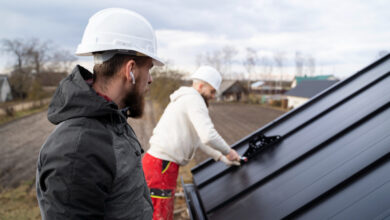
Professional roof inspections are recommended after severe storms, prolonged periods of heavy rain, or whenever you notice signs of water damage inside your home.
An experienced roofing contractor can safely inspect roofing materials, flashing, gutters, drainage systems, and roof structures to identify hidden issues before they worsen.
Regular inspections are particularly important for older roofs, which are more likely to develop wear related problems.
The Value of Prompt Roof Repairs
Acting quickly after discovering roof damage can save thousands of dollars in future repairs.
Prompt repairs prevent water from spreading through the roof structure and damaging ceilings, walls, flooring, insulation, and electrical systems.
Timely maintenance also extends the lifespan of your roof, protects your home’s value, and provides peace of mind during future storms.
Investing in professional repairs today often prevents much larger expenses tomorrow.
Final Thoughts
Rain is an unavoidable part of the weather, but it should never be allowed to compromise the safety and integrity of your home. Even a well built roof can develop problems over time as materials age and are exposed to constant moisture.
Understanding the signs of rain related roof damage allows homeowners to act before small issues become major structural repairs. Water stains, leaking ceilings, damaged tiles, blocked gutters, mould growth, and deteriorating flashing are all warning signs that should be addressed as soon as possible.
Regular roof inspections, routine maintenance, and prompt repairs are the best ways to protect your home from the damaging effects of rain. By taking a proactive approach, you can extend the life of your roof, avoid expensive repairs, and ensure your home remains safe, dry, and comfortable throughout every rainy season.