Wollmatten: The Natural Wool Mats Bringing Warmth and Style Back Home

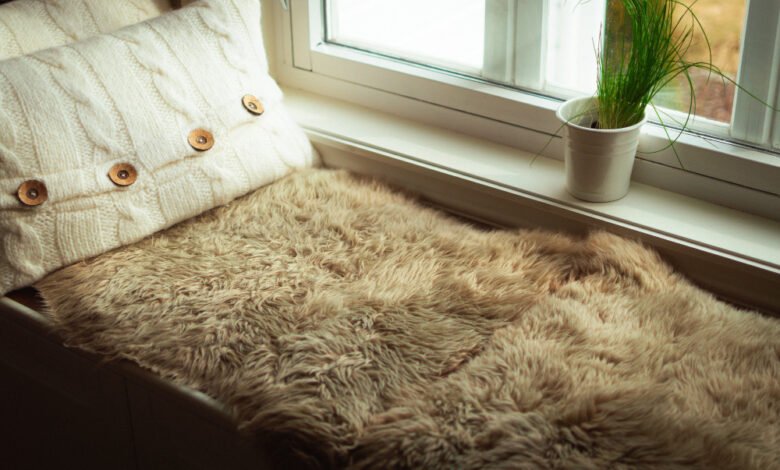
Wollmatten are natural wool mats used for flooring, seating, and decor, prized for their insulation, durability, and eco-friendly production. Made from sheep’s wool, they regulate temperature and humidity naturally, resist dirt, and add texture to interiors without synthetic materials. They suit homeowners who want sustainable, long-lasting alternatives to synthetic rugs and mats.
Wool has warmed homes for thousands of years, and it’s making a quiet comeback in modern interior design. Wollmatten, the German term for wool mats, represent a return to materials that work with the body and the environment rather than against them. These mats aren’t just rustic throwbacks tucked into mountain cabins. They’re showing up in city apartments, farmhouses, and minimalist studios alike, offering something synthetic fibers simply can’t replicate.
If you’ve ever stepped onto a cold tile floor on a winter morning, you understand the appeal instantly. Wool naturally insulates, trapping warm air within its fibers while releasing excess moisture. That means a Wollmatte under your feet doesn’t just feel soft; it actively keeps your space more comfortable throughout the year.
This post breaks down what Wollmatten are, why they’re worth considering for your home, and how to choose and care for one so it lasts for years.
What Exactly Is a Wollmatte?
A Wollmatte is a mat or rug crafted primarily from sheep’s wool, often felted or woven into dense, durable sheets. Unlike synthetic rugs made from nylon or polyester, Wollmatten rely entirely on wool’s natural properties to deliver comfort and performance.
The felting process compresses wool fibers together using heat, moisture, and pressure, creating a tight structure that holds its shape without the need for chemical binders. Woven versions, by contrast, interlace wool yarns much like a traditional rug, resulting in a different texture and flexibility.
Both styles share wool’s signature traits: natural elasticity, breathability, and a tactile warmth that’s hard to find in manufactured alternatives.
Why Choose Wool Over Synthetic Materials?
Choose a Wollmatte if you value natural materials, long-term durability, and temperature regulation over the lower cost and easier maintenance of synthetic alternatives.
What makes wool naturally insulating?
Wool fibers have a crimped structure that traps pockets of air, and this air acts as a natural insulator against cold floors and drafts. This is the same principle that makes wool sweaters effective in winter. Applied to flooring or seating, that insulating effect reduces heat loss through the floor, which can make a noticeable difference in older homes with poor subfloor insulation.
How does wool manage moisture and humidity?
Wool can absorb up to 30% of its weight in moisture without feeling damp to the touch. It draws moisture away from the surface and releases it gradually into the air, which helps regulate humidity in a room. This moisture-wicking quality also makes wool naturally resistant to mold and mildew, a common issue with synthetic mats placed in damp entryways or bathrooms.
Is wool more durable than synthetic flooring materials?
Wool fibers are inherently elastic, meaning they can bend and compress thousands of times without breaking down. A well-made Wollmatte can resist crushing and matting far longer than many synthetic equivalents, especially in high-traffic areas like hallways or living rooms. With proper care, a quality wool mat can last decades, often outliving the furniture around it.
Are Wollmatten a sustainable choice?
Wool is a renewable resource, sheared from sheep annually without harming the animal, and it’s biodegradable at the end of its life cycle. Choose wool over synthetic fibers if reducing microplastic shedding and supporting biodegradable materials matter more to you than the lower upfront cost of synthetic alternatives. For households prioritizing eco-conscious choices in home goods, Wollmatten offer a material that returns to the earth rather than lingering in landfills for centuries.
Where Do Wollmatten Work Best in a Home?
Can you use a Wollmatte in a living room?
Living rooms benefit from wool’s softness and insulating properties, especially when placed over hardwood or tile. A Wollmatte adds warmth underfoot and introduces natural texture that pairs well with both minimalist and rustic design styles.
Are wool mats suitable for entryways?
Entryways see heavy foot traffic and moisture from wet shoes, and wool’s natural resistance to dirt and moisture makes it a practical fit here. Wool fibers have a waxy coating called lanolin that repels liquids initially, giving you time to wipe up spills before they soak in.
Can Wollmatten be used outdoors or in covered patios?
Some denser, more tightly felted Wollmatten can handle covered outdoor spaces, though prolonged exposure to direct sun and rain will shorten their lifespan. Choose a tightly felted wool mat if you want some outdoor use, but reserve finer woven styles for indoor spaces only.
Do wool mats work well in bedrooms?
Bedrooms are an ideal setting for Wollmatten, particularly beside the bed where bare feet meet the floor first thing in the morning. The sound-dampening quality of dense wool fibers also helps reduce noise, creating a quieter, more restful room.
How Do You Select the Right Wollmatte for Your Space?
Choosing a wool mat comes down to matching its construction and size to how you’ll use it.
Felted mats work best for high-traffic zones and spaces prone to spills, thanks to their dense, compact structure. Woven mats suit lower-traffic decorative spaces where a softer drape and more visual texture matter more than maximum durability.
Consider these factors before buying:
- Thickness: Thicker mats offer more insulation and cushioning but can be harder to clean. Thinner mats are easier to maintain and better suited for doorways where door clearance is tight.
- Color and dye: Natural, undyed wool tends to be more durable since it hasn’t been chemically treated, while dyed options offer more design flexibility.
- Size: Measure your space carefully. Oversized mats in small rooms can overwhelm the space, while undersized mats in large rooms can look like an afterthought.
- Origin and sourcing: Mats made from ethically sourced, often European or New Zealand wool, tend to reflect higher animal welfare standards and more consistent fiber quality.
How Should You Clean and Maintain a Wollmatte?
What’s the best way to clean wool mats day to day?
Shake out loose dirt and debris regularly, and vacuum on a low-suction setting to avoid pulling at the fibers. Avoid high-powered vacuum settings, as they can stretch or damage the wool’s structure over time.
How do you handle spills on a wool mat?
Blot spills immediately with a dry cloth rather than rubbing, which can push liquid deeper into the fibers. Wool’s natural lanolin coating buys you a short window before most spills soak through, so quick action matters.
Can you machine wash a Wollmatte?
Most Wollmatten should not be machine washed, as agitation and heat can cause felting shrinkage or distortion. Spot cleaning with a wool-safe detergent and lukewarm water is generally the safer approach for small stains.
How often should wool mats be professionally cleaned?
Depending on foot traffic, a professional deep clean every 12 to 18 months helps remove embedded dirt that regular vacuuming can’t reach. High-traffic mats in entryways may need this more frequently, perhaps once a year.
Bringing Wollmatten Into Your Home
Wollmatten offer something increasingly rare in home goods: a material that performs well precisely because it hasn’t been altered beyond its natural state. The insulation, moisture control, and durability that make wool mats worth considering all stem from properties sheep’s wool has carried for thousands of years.
If you’re updating a room this season, start small. Place a single Wollmatte by your bed or front door and notice the difference in comfort and warmth before committing to larger pieces throughout your home. Once you feel the difference underfoot, it’s easy to see why wool is finding its way back into modern homes.
Frequently Asked Questions
How much do Wollmatten typically cost?
Prices vary widely based on size, wool quality, and construction method, with smaller felted mats starting at a modest price point and larger, finely woven pieces costing significantly more. Pure, ethically sourced wool generally commands a higher price than blended or lower-grade alternatives.
How long do wool mats last compared to synthetic rugs?
A well-maintained Wollmatte can last 15 to 20 years or longer, outlasting most synthetic rugs, which typically need replacing every 5 to 10 years due to wear and fiber breakdown.
Are Wollmatten safe for households with allergies?
Wool is naturally hypoallergenic for many people since it resists dust mites and doesn’t off-gas synthetic chemicals, though individuals with a specific lanolin or wool sensitivity should test a small sample first.
What’s the main alternative to a Wollmatte?
Synthetic rugs made from nylon, polyester, or polypropylene are the most common alternative, offering lower upfront costs and easier machine washing, but lacking wool’s natural insulation and biodegradability.
Visit here myhomecomplex.com for more blogs.