
Construction Equipment Investment Guide: Essential Tools for Quality Custom Home Building

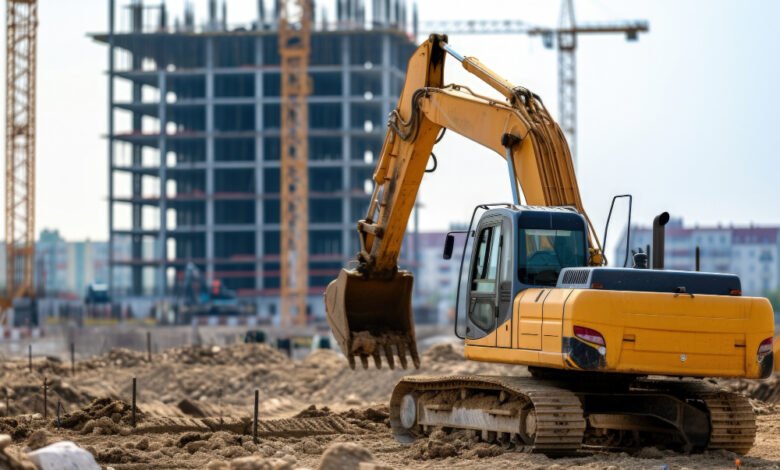
Custom home builders face critical decisions when selecting construction equipment. Quality equipment directly impacts project timelines, construction costs, and final home quality. Construction equipment suppliers play vital roles helping builders make informed choices about machinery investments. Understanding equipment options, supplier reliability, and cost considerations helps builders optimize construction operations and deliver superior custom homes.
The Impact of Quality Equipment on Custom Home Construction
Construction equipment represents significant investments affecting multiple project aspects. Quality machinery improves productivity, allowing crews to complete work faster without sacrificing quality. Modern equipment incorporates safety features protecting workers and reducing liability risks. Superior equipment delivers more precise results, essential for custom homes where clients expect exceptional craftsmanship.
Budget equipment creates persistent problems throughout projects. Breakdowns halt progress and extend timelines. Poor precision results in costly corrections and rework. Inadequate safety features increase accident risks and insurance costs. Custom home clients demand excellence, requiring builders to invest in reliable equipment supporting superior workmanship.
Equipment selection influences project profitability substantially. Efficient machinery reduces labor hours and speeds completion. Well-maintained equipment performs consistently, preventing unexpected downtime. Superior tools enable craftsmanship distinguishing custom builders from standard construction companies.
Essential Equipment Categories for Custom Home Building
Excavation equipment forms the foundation of construction projects. Quality excavators, graders, and compactors prepare property for building. Precision grading ensures proper drainage and foundation stability. Equipment suppliers offering multiple size options allow builders to match machine capacity with specific project requirements.
Concrete equipment requires particular attention in custom home construction. Quality concrete mixers, vibrators, and finishing tools ensure strong foundations and polished finishes. Specialty concrete equipment enables decorative finishes and custom design elements increasingly popular in luxury homes.
Framing and structural equipment including pneumatic tools, nail guns, and advanced saws improve framing speed and accuracy. Laser levels and digital measuring systems enable precision ensuring square structures and proper alignment. Modern framing tools reduce labor intensity while improving accuracy critical for custom construction.
Finishing equipment determines visible quality and client satisfaction. Paint sprayers, drywall finishing systems, and power tools influence final appearance. Quality finishing equipment enables smooth surfaces and professional appearances justifying premium pricing of custom homes.
Material handling equipment including scaffolding, lifts, and hoists improves worker safety and productivity. Efficient material movement prevents waste and accelerates schedules. Safety-certified equipment reduces insurance risks and worker compensation claims.
Selecting Reliable Construction Equipment Suppliers
Equipment suppliers significantly impact construction success. Reliable suppliers provide quality machinery, maintenance support, and technical expertise. Evaluating supplier credentials helps builders make confident equipment decisions.
Supplier experience and reputation indicate reliability. Established suppliers with long operating histories have proven track records. Customer testimonials and references reveal whether suppliers provide quality products and responsive support. Industry certifications demonstrate commitment to professional standards.
Equipment quality and availability matter tremendously. Suppliers carrying brand-name equipment provide reliability and warranty support. Equipment availability for immediate delivery or short-term rental accommodates project timelines. Suppliers offering maintenance and repair services minimize downtime affecting construction schedules.
Technical expertise and customer service distinguish quality suppliers. Knowledgeable staff help builders select appropriate equipment for specific applications. Responsive support when equipment malfunctions prevents project delays. Training and instruction enable crews to operate equipment safely and efficiently.
Pricing transparency and financing options enable budget management. Competitive pricing for equivalent equipment ensures cost-effectiveness. Flexible rental, lease, and purchase options accommodate different business models. Volume discounts reward builders using suppliers consistently.
Equipment Rental versus Purchase Decisions
Custom home builders must evaluate whether renting or purchasing equipment makes financial sense. Rental options provide flexibility for variable workload. Builders undertaking irregular projects benefit from short-term rental avoiding idle equipment costs.
Purchase decisions suit builders with consistent equipment needs. Owned equipment generates no rental fees on extended projects. Builders can customize equipment to specific requirements. However, ownership requires maintenance investment and storage space.
Equipment suppliers facilitating both rental and purchase options provide flexibility. Rental programs during equipment evaluation periods help builders assess suitability. Ownership programs after verification ensure investment confidence.
Technology Integration in Modern Construction Equipment
Modern equipment incorporates advanced technology improving efficiency and precision. GPS-guided grading systems achieve precise elevation accuracy. Laser levels ensure square structures and proper alignment. Digital measuring systems eliminate human error in calculations.
Telematics systems monitor equipment performance remotely. Preventative maintenance alerts prevent unexpected breakdowns. Fuel efficiency monitoring reduces operating costs. Equipment usage tracking optimizes resource allocation.
Custom home builders adopting technology-equipped machinery gain competitive advantages. Superior precision delivers exceptional quality justifying premium pricing. Improved efficiency reduces project timelines and labor costs. Advanced safety systems minimize accident risks.
Establishing Supplier Relationships
Long-term relationships with construction equipment suppliers create mutual benefits. Builders receive priority access to equipment during peak seasons. Suppliers offer volume discounts and customized solutions. Regular customers receive preferential pricing and extended payment terms.
Communication about project requirements enables suppliers to anticipate needs. Advance notice of upcoming projects ensures equipment availability. Feedback about equipment performance helps suppliers improve service quality.
Conclusion
Quality construction equipment and reliable suppliers form the foundation of successful custom home building. Equipment investment decisions affect project quality, timelines, and profitability. Selecting quality suppliers providing dependable machinery, technical expertise, and responsive service ensures builders maintain competitive advantages. Custom home clients expect superior craftsmanship requiring builders to invest in quality equipment and professional supplier relationships. Construction equipment suppliers supporting builders with quality products and exceptional service enable delivery of exceptional custom homes meeting client expectations and building reputations for excellence.