
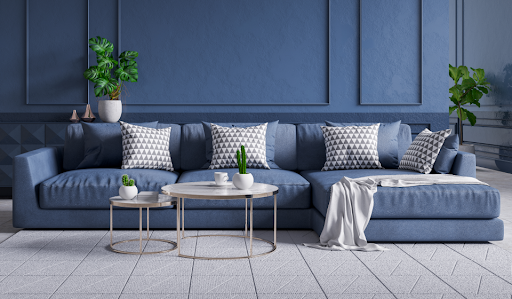
Designing a small room can feel like a puzzle, especially when you want it to look stylish, feel comfortable, and still function well. Whether you’re working with a compact living room, a studio apartment, or a multi-purpose space, the right layout can make even the smallest area feel open and inviting. If you’re shopping for pieces like a modular lounge in Perth, or simply trying to rework what you already have, smart furniture arrangement can completely transform the space.
Ideas That Can Enhance Small Spaces:
Choose Furniture That Fits the Scale of the Room
The number one rule in a small room is to choose furniture that matches the space. Large and bulky pieces can overwhelm the room and take up valuable space. Instead, pick slim and compact designs that feel light and open.
For example:
- Sofas with thinner arms
- Wooden Armchairs
- Narrow side tables
- Multi-purpose storage pieces
By keeping furniture in the right scale, you create a visually balanced environment that feels calm and uncluttered.
Keep the Centre of the Room Open
A great trick for a spacious look is keeping the middle of the room clear. Place larger furniture items like sofas or sofa beds near the walls. When the centre space is open, the room appears wider and easier to move around in.
This is especially helpful in living areas where you want free space for daily activities or in bedrooms where movement should feel smooth and not blocked.
Use Multi-Functional Furniture
In smaller rooms, furniture pieces should work harder for you. Multi-purpose furniture saves space and keeps the room clean and organised.
Popular examples include:
- Ottomans
- Coffee tables
- Beds with underneath storage
- Extendable dining tables
These items let you enjoy comfort while reducing clutter. They are great for storing blankets, bedding, books, or clothes, which stay neat and hidden.
Create Room Zones with Smart Placement
Even in a small space, you can design different zones for different uses. For example, one corner could be a reading spot, while another corner can hold a small work table.
You can define areas using:
- Rugs
- Side tables
- Lighting placement
- Wall artwork
Zoning helps the room feel organised and well-structured, giving every item a purpose and place.
Let Natural Light Lead the Way
Natural light has the power to stretch space visually. Avoid placing large furniture near windows where it might block sunlight. Choose lighter fabrics for curtains and allow sunlight to spread across the room. Mirrors placed near windows also bounce light around, helping the room appear brighter and larger.
Use Light and Neutral Colours
Colour plays a key role in making a room feel bigger. Light and soft colours like white, beige, pale grey, or soft tan reflect more light and open up the space visually. Dark shades can make rooms feel small and boxed in.
If you love bold colours, you can still include them in small doses through cushions, throws, or artwork. This keeps the room lively without overwhelming it.
Choose Storage Beds for your bedroom
In small bedrooms, every bit of storage matters. Under-bed storage keeps items out of sight while freeing up valuable wardrobe space. Some couples make a smart choice by selecting a king-size bed in Perth that includes built-in storage or offers extra space underneath, making it easier to keep essentials organised. By using storage solutions wisely, your bedroom can feel clean, spacious, and restful.
Add Mirrors to Expand Space
Mirrors are one of the easiest ways to visually extend a room. They reflect the view and light, doubling what the eye sees. You can:
- Place a large mirror behind a sofa
- Use mirrored wardrobes in the bedroom
- Position mirrors opposite windows
Mirrors instantly make small spaces feel open and stylish.
Keep Décor Simple and Minimal
Too many decorative items can cause visual clutter in a small room. Instead, choose a few pieces that make a meaningful impact. For example, one large artwork often looks cleaner than many small frames scattered on walls.
Minimal décor does not mean boring; it means selecting items that support the room’s style instead of crowding it.
Add Texture Without Adding Bulk
You can bring comfort and personality to the room through soft items:
- Cushions
- Blankets
- Rugs
- Soft headboards
Textures add visual warmth and style but do not take up much physical space. This helps the room remain soft and inviting while still being open.
Conclusion
Tiny rooms can be transformed easily with smart furniture placement and simple design tricks. By selecting pieces that fit the room, using vertical storage, embracing natural light, and keeping walkways open, your home can feel more spacious and welcoming.
Multi-functional items and light colours help maintain comfort while avoiding clutter. Even the smallest rooms can feel big in style when organised thoughtfully. With a few changes and creative ideas, every corner of your home can become a practical and beautiful part of your daily life.